Tesla Cybercab and Homelessness – Can Autonomous Technology Help End Homelessness ?
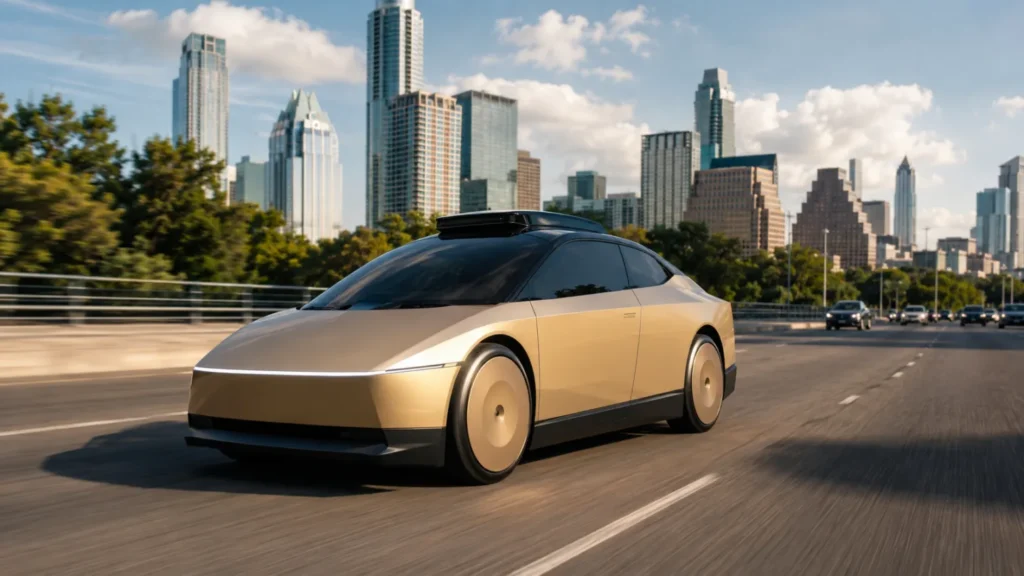
Tesla Cybercab – Could the Autonomous Revolution Help End Homelessness in America and Canada ?
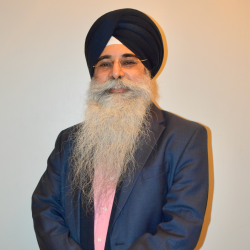
By Harjinder Singh | Founder & CEO, VAO Innovations
www.vaoinnovations.com
What If Technology Could Drive Us Towards a Homeless-Free World ?
What if the future of transportation could also help transform the future of homelessness ?
Tesla’s Cybercab and the emergence of autonomous mobility offer an opportunity to rethink how technology can create employment, entrepreneurship, and economic independence.
At VAO Innovations, we believe technological revolutions should benefit everyone, including those struggling to rebuild their lives. Our mission,
No Homeless by 2030, focuses on transforming traditional homeless shelters into thriving business incubators.
Could autonomous transportation become an unexpected partner in this social transformation ?
1. From Driverless Cars to Opportunity Engines
Tesla Cybercab represents a new vision of urban transportation. As autonomous mobility develops, it could create opportunities in EV charging, vehicle maintenance, fleet operations, logistics, customer support, and AI-driven services.
Why shouldn’t people transitioning out of homelessness become participants in this emerging economy
Through partnerships with autonomous mobility companies, governments, and social organizations, individuals could receive practical training, mentorship, and opportunities to establish businesses supporting this industry.
Subsidized autonomous transportation could also improve access to training centres and workplaces.
Cybercab alone will not end homelessness, but its ecosystem could become one component of a much larger economic opportunity.
2. VAO Innovations – Turning Shelters into Launchpads for Entrepreneurs
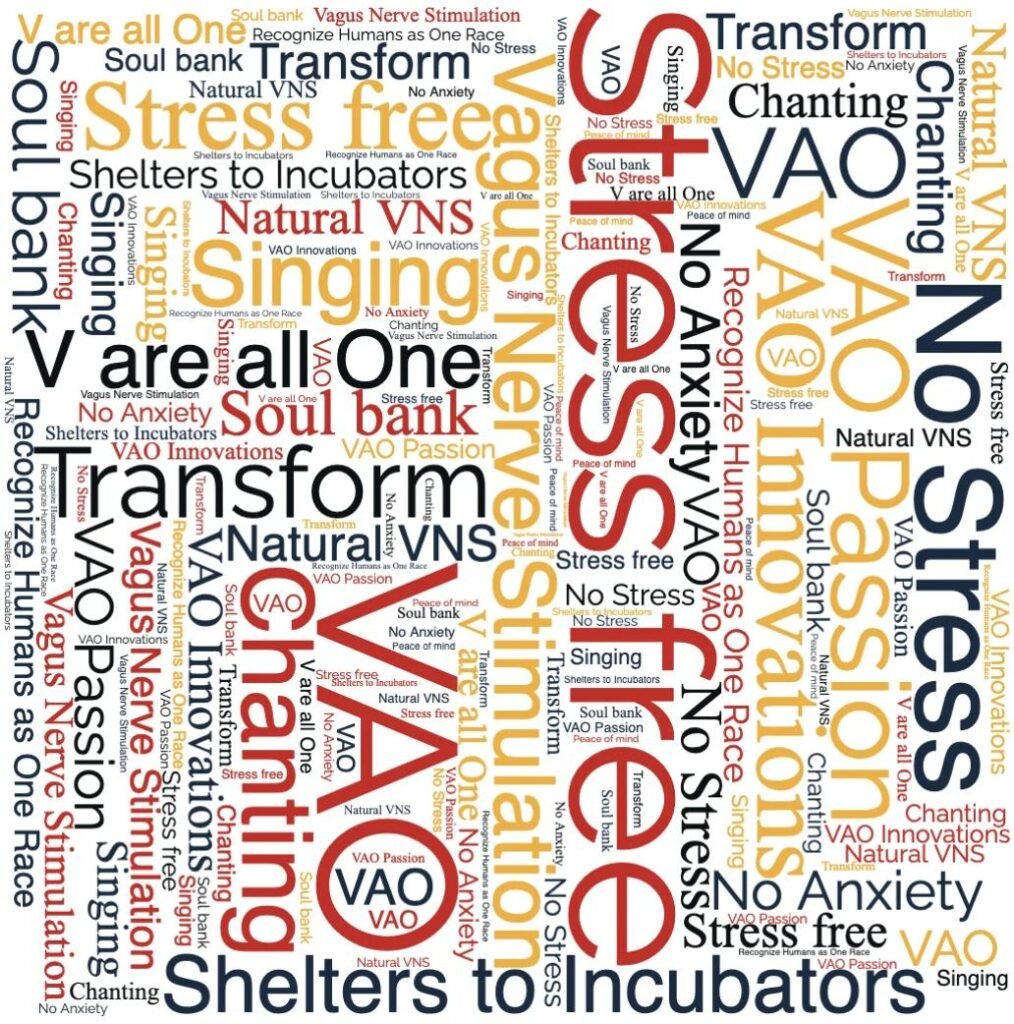
At VAO Innovations, we envision replacing the traditional shelter mindset with a Homeless Business Incubator model. Our approach has three stages,
Our approach has three stages:
- Restore: Create a positive environment that supports confidence and emotional well-being through breathing practices, meditation, singing, laughter, and non-invasive vagus nerve stimulation approaches.
- Discover: Use AI and analytics to identify individual talents, interests, passions, and potential career pathways.
- Empower: Connect individuals with mentors, businesses, technology companies, employment opportunities, and startup incubations.
Robotaxi Ownership Pathway – Austin Pilot Proposal for Tesla
Summary
We propose a 12-month pilot in Austin – 10 Cybercabs and one mobility hub, owned through a nonprofit incubator and run by founders rebuilding their lives after homelessness.
The Cybercabs stay on Tesla’s Robotaxi network and app, under Tesla’s safety and operations. The incubator runs the ground work every robotaxi needs: cleaning, charging, inspections and rider support. Participants earn wages from day one and build an ownership stake in the hub and fleet over the year.
We ask Tesla for fleet access at cost or with financing, a hub partnership, and onboarding support. In return, Tesla gets a trained local operator, a working model for community-owned fleets, and a story that shows autonomy creating ownership, not only replacing jobs.
Why Tesla, why now
Tesla is already asking for exactly what this pilot offers: fleet buyers and mobility-hub operators for its robotaxi network.
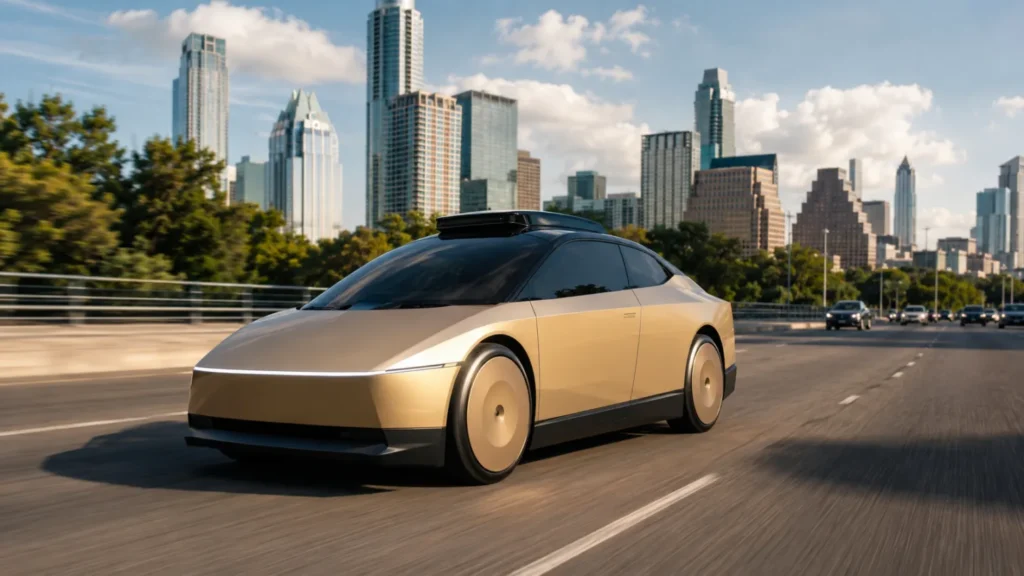
- Austin is live. Paid Cybercab rides began in Austin on September 4, 2026, and Tesla reported 300+ Cybercabs serving the city by October 10
- Customer fleets start small. On the Q3 2026 earnings call, Tesla said it aims to get Cybercabs to customers by the end of 2026, starting small, while most of the fleet stays Tesla-owned. A 10-vehicle pilot fits that path.
- Robotaxis need people on the ground. Every vehicle needs daily cleaning, charging and checks. A local, trained hub team keeps more cars on the road.
- The public question about autonomy is jobs. A pilot where people who were homeless become owners and operators answers it with results, not talking points.
How the pilot works
A nonprofit holds the vehicles and the risk, so participants can take part without credit history, a fixed address or savings.
- The incubator owns the fleet. A nonprofit set up by VAO Innovations buys or finances 10 Cybercabs and leases the hub site. It carries the loans and contracts.
- Tesla runs the rides. The Cybercabs operate on Tesla’s Robotaxi network and app, under Tesla’s safety systems, permits and rider support standards.
- Participants run the hub. Founders are hired and trained to clean, charge and inspect the vehicles, handle lost items and support riders on the ground.
- Income from two streams. The incubator earns the fleet’s share of ride revenue plus a hub service fee from Tesla. Participants are paid wages from both.
- Ownership grows over time. Each participant earns a stake in the hub business as they complete milestones, so by month 12 the team co-owns what it runs.
- Support around the job. Partners provide housing navigation, banking setup and mentoring, so steady work turns into stable housing.
What we ask, what we bring
Tesla keeps control of the vehicles, software and rider experience; the incubator takes on the people, the site and the community work.
| Area | We ask Tesla for | The incubator brings |
|---|---|---|
| Vehicles | 10 Cybercabs at cost or with financing | Purchase or loan through the nonprofit |
| Network | Cybercabs on the Robotaxi network and app | No separate app; riders book through Tesla |
| Safety and permits | Tesla’s existing permits, insurance and safety systems, as for its own fleet | Hub safety procedures and incident reporting to Tesla |
| Mobility hub | Hub partnership, charging equipment specs and a service fee | Site lease in Austin, setup and daily operations |
| Training | Onboarding on cleaning, charging and inspection standards | Recruiting, job coaching and wraparound support |
| Reporting | Fleet and hub performance data | Quarterly impact report: jobs, wages, housing, ownership |
Funding and economics
The pilot does not depend on Tesla alone – Tesla anchors it, and public and mission-driven money covers the people side.
| Source | What it funds |
|---|---|
| Tesla | Fleet at cost or financed, hub equipment, service fee for hub work |
| City of Austin homelessness and workforce programs | Wages during training; housing navigation |
| Community Development Financial Institutions (CDFIs) | Vehicle and site loans to the nonprofit |
| Foundations and impact investors | Start-up costs and the participant ownership pool |
| VAO Innovations | Founding team, nonprofit setup, program design |
Timeline and success measures
Ten Cybercabs go live in month 5, and by month 12 the team co-owns the hub it runs.
Each phase starts only when the gate before it is met. At month 12, Tesla and the incubator decide together whether to extend the model to Dallas.
| Measure | Proposed target by month 12 |
|---|---|
| Founders hired and trained | 20 |
| Cybercabs on the road | 10, from month 5 |
| Hub service quality | Meets Tesla’s cleaning, charging and inspection standards |
| Participants in stable housing | 15 of 20 |
| Participants holding an ownership stake | All who complete the program |
Imagine these incubators partnering with companies in the autonomous mobility industry.
Former shelter residents could become trained professionals, service providers, and entrepreneurs.
Seniors could also contribute as mentors, sharing their experience while building meaningful social connections.
This is not simply about finding people jobs, it is about helping them discover their potential to create economic value and become self-sufficient.
Conclusion – Let Every Technological Revolution Become a Social Revolution
The autonomous transportation revolution could change how humanity moves.
Let’s also explore how it could change lives. Imagine a future where homeless shelters become business incubators, technology companies become social innovation partners, and people experiencing homelessness become tomorrow’s entrepreneurs.
Imagine a future in which autonomous vehicles do more than transport people from one destination to another. Imagine a transportation revolution that also creates employment, entrepreneurship, financial independence, and new opportunities for people experiencing homelessness.
Tesla’s Cybercab could represent an important step toward that future.
The emergence of autonomous transportation presents an opportunity to rethink how cities operate, how businesses generate income, and how communities can participate in the technology-driven economy.
VAO Innovations is pleased to invite Tesla, autonomous mobility companies, corporate leaders, investors, philanthropists, and governments across the United States and Canada to explore this vision with us.
NO HOMELESS BY 2030 – SmileS come FreE with Cybercabs
Let’s transform technology into opportunity, innovation into inclusion, and shelters into launchpads for entrepreneurship.
Leave a Reply